
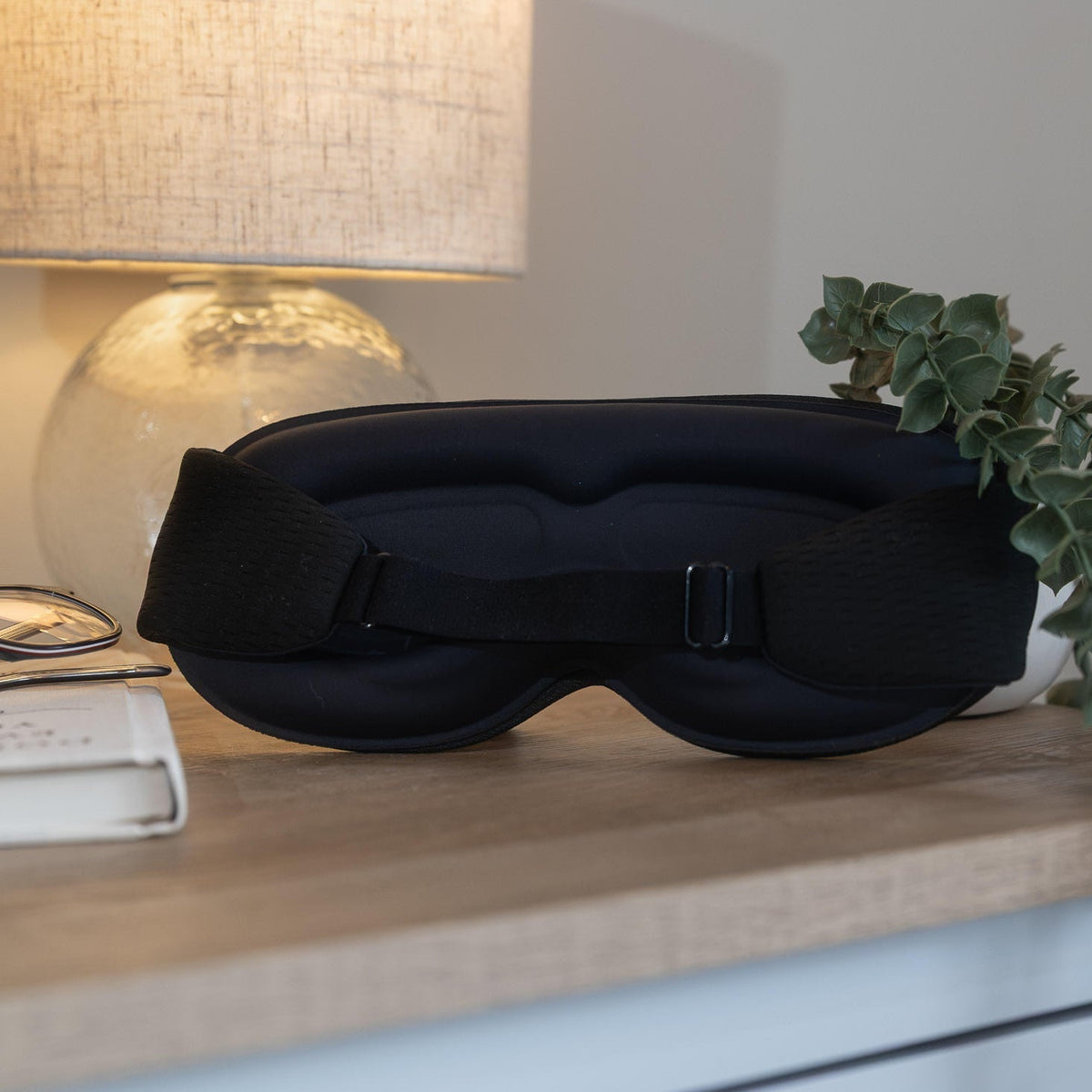
Quick answer: To sleep well during the day after a night shift, protect a fixed sleep window, make your bedroom as dark, quiet and cool as you can, and keep your wind-down short and repeatable. Stop caffeine three to four hours before you plan to sleep, wear sunglasses on the way home, and use blackout blinds or a sleep mask to block daylight. White noise helps mask the sounds of a busy day. Aim for seven to nine hours of sleep in every 24, either in one block or split into a main sleep and a nap before your next shift.
We are James and Larissa, the founders of Dream & Drift, and we have spent ten years working shifts in the emergency services. We have done the 7am drive home with the sun in our eyes, the bin lorry at 9am and the doorbell at noon. This guide is everything we wish someone had told us on our first set of nights, checked against what sleep researchers and NHS guidance actually say.
Why is it so hard to sleep during the day?
Your body clock is set by light. Daylight tells it to be awake, and darkness tells it to wind down, so after a night shift you are trying to sleep while every signal around you says morning. Add traffic, deliveries, phones and family life, and it is no surprise that daytime sleep tends to be lighter and shorter than sleep at night.
You cannot change the time of day, but you can control most of the signals your body receives. The Sleep Foundation's daytime sleep advice comes down to the same three things we would put first: make the room cool, dark and quiet, and keep your sleep timing as consistent as you can.
When should you sleep after a night shift?
There is no single right answer, and that is worth knowing. Research guidance for night workers describes two main approaches, and both can work:
- Sleep later, wake near your next shift. Stay up for a few hours after you get home, then sleep so that you wake shortly before the next night shift starts.
- Split your sleep. Sleep for a few hours as soon as you get home, then take a longer nap that ends just before you go back to work.
Many people, ourselves included, find the simplest option is to sleep soon after getting home. What matters most is choosing a pattern and protecting it.
| Example for a 19:00 to 07:00 shift | Straight to bed | Split sleep |
|---|---|---|
| Home | 07:45 | 07:45 |
| Wind down | 07:45 to 08:30 | 07:45 to 08:30 |
| Main sleep | 08:30 to 15:30 | 08:30 to 13:00 |
| Awake time | 15:30 to 18:15 | 13:00 to 16:30 |
| Second sleep | None | 16:30 to 18:00 |
Before you leave work
- Set a caffeine cut-off. Use caffeine early in the shift and avoid it for three to four hours before you want to sleep. On a 07:00 finish, that usually means your last coffee around 04:00.
- Go easy on food late in the shift. NHS staff guidance suggests avoiding heavy, greasy or sugary food in the latter part of the shift, as it can interfere with sleep afterwards.
The journey home
Wear sunglasses. Bright morning light is one of the strongest wake-up signals your body gets. Research on night shift workers has found that reducing light exposure in the morning helps people adapt to nights, and intensive care guidance for staff suggests wearing sunglasses on the way home. Keep a pair in the car or your work bag.
Be honest about tiredness. Shift workers are at higher risk of drowsy driving accidents, especially on the commute home after nights. If you are struggling to stay awake, do not drive. Take a short nap first or find another way home.
When you get home: a short, repeatable wind-down
You do not need an hour-long ritual. You need a few small steps you repeat every time, so your brain learns that this sequence means sleep is coming, whatever the clock says.
- Keep the lights low and warm. NHS staff guidance suggests dim lighting during your wind-down to signal night-time. Avoid bright overhead lights.
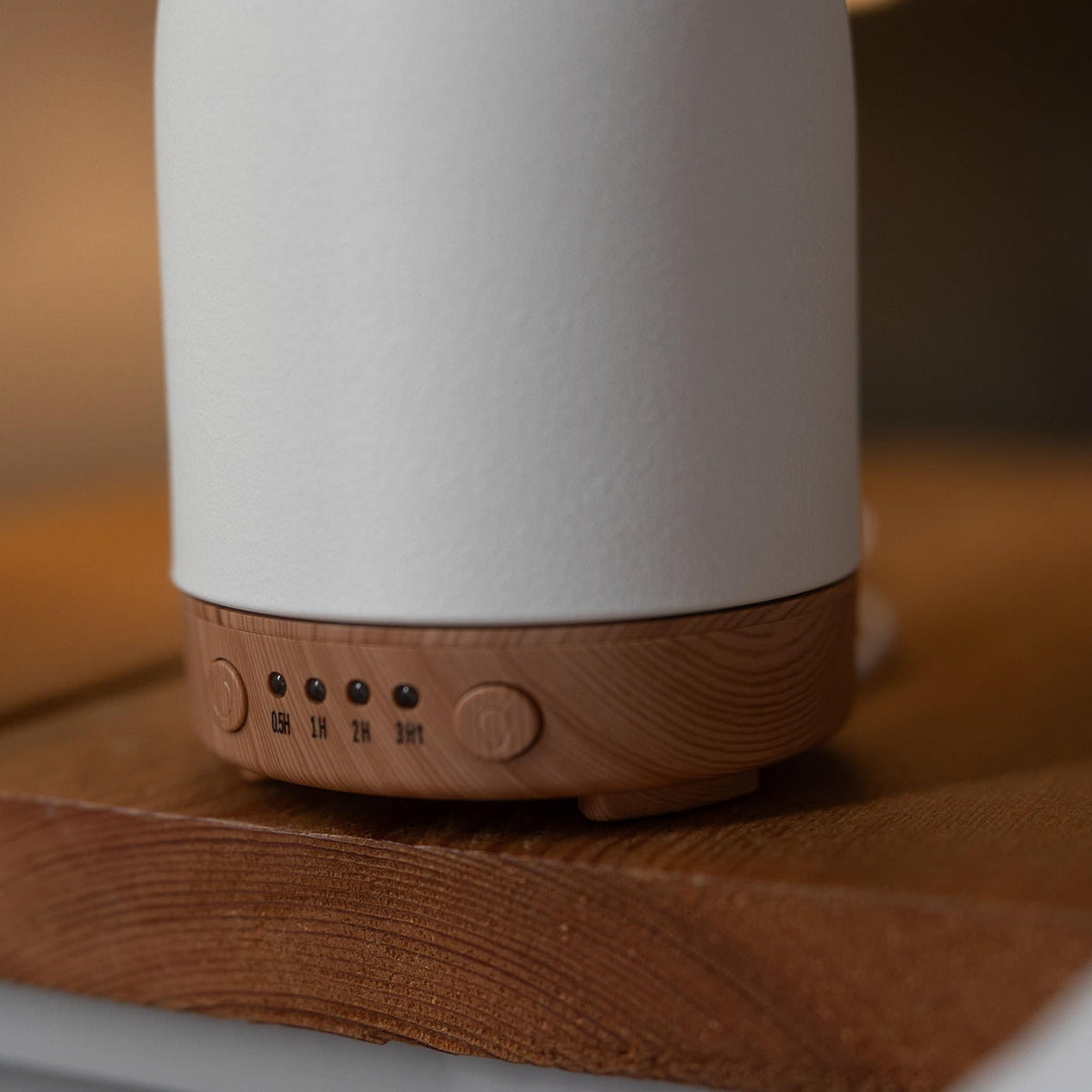
- Create a cue. A diffuser can help turn "I've finished work" into "I'm winding down now". Switch on the Slow Hours Diffuser as you walk in, and use the same scent every time.
- Shower and change. Physically leaving work behind helps you leave it behind mentally.
- Have a light snack if you are hungry. A small snack beats going to bed hungry or overfull.
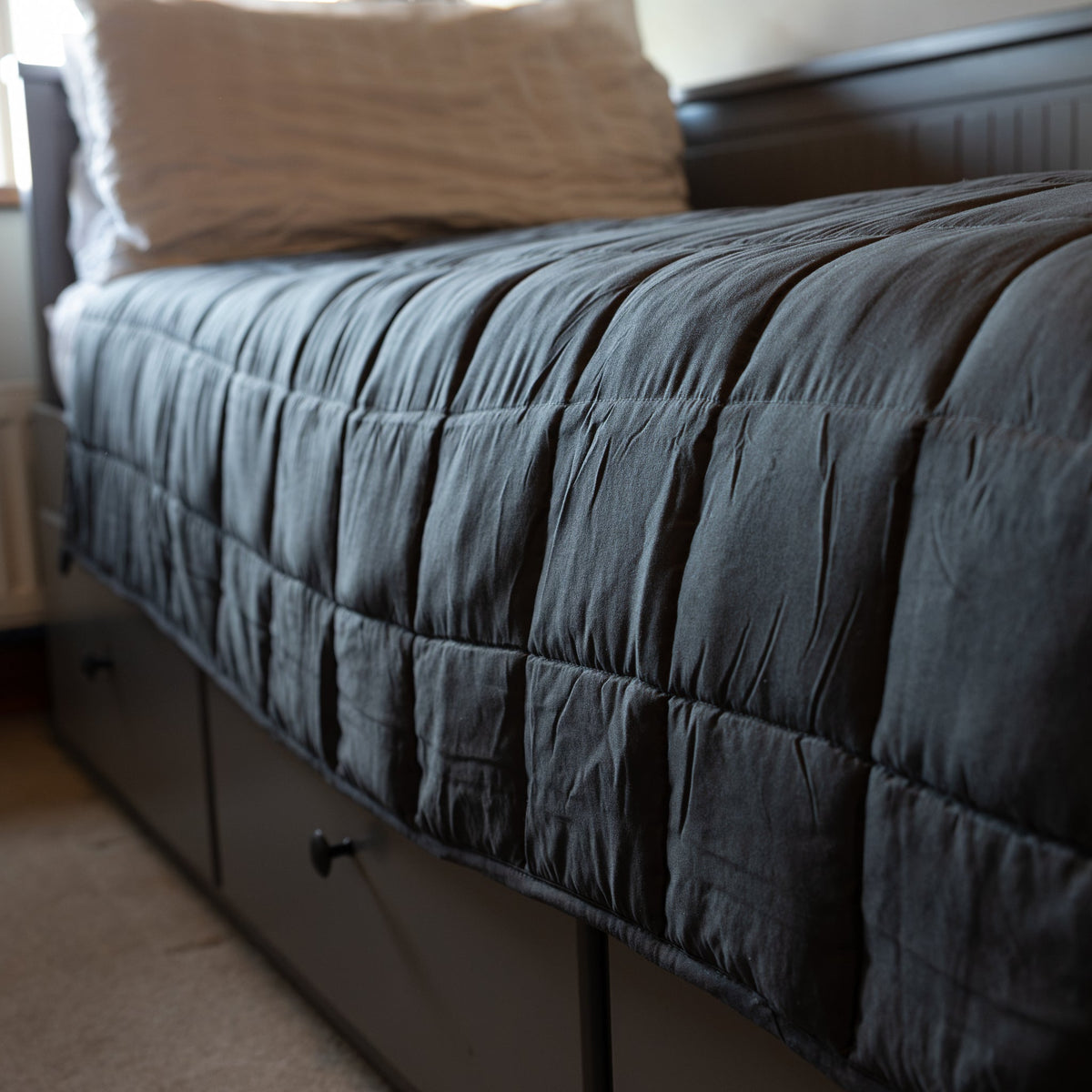
- Come down from the shift. If you are tired but wired, ten minutes under a weighted blanket on the sofa can give you a clear off-duty moment before bed.
- Put the phone away. Set it to do not disturb before you get into bed, not after.
How to set up your bedroom for daytime sleep
Make it dark
Darkness is the single biggest change you can make. NHS staff guidance recommends blackout curtains, blinds or a sleep mask to create complete darkness. In our experience, you need both: blinds always leak light at the edges, and a mask covers the gaps.
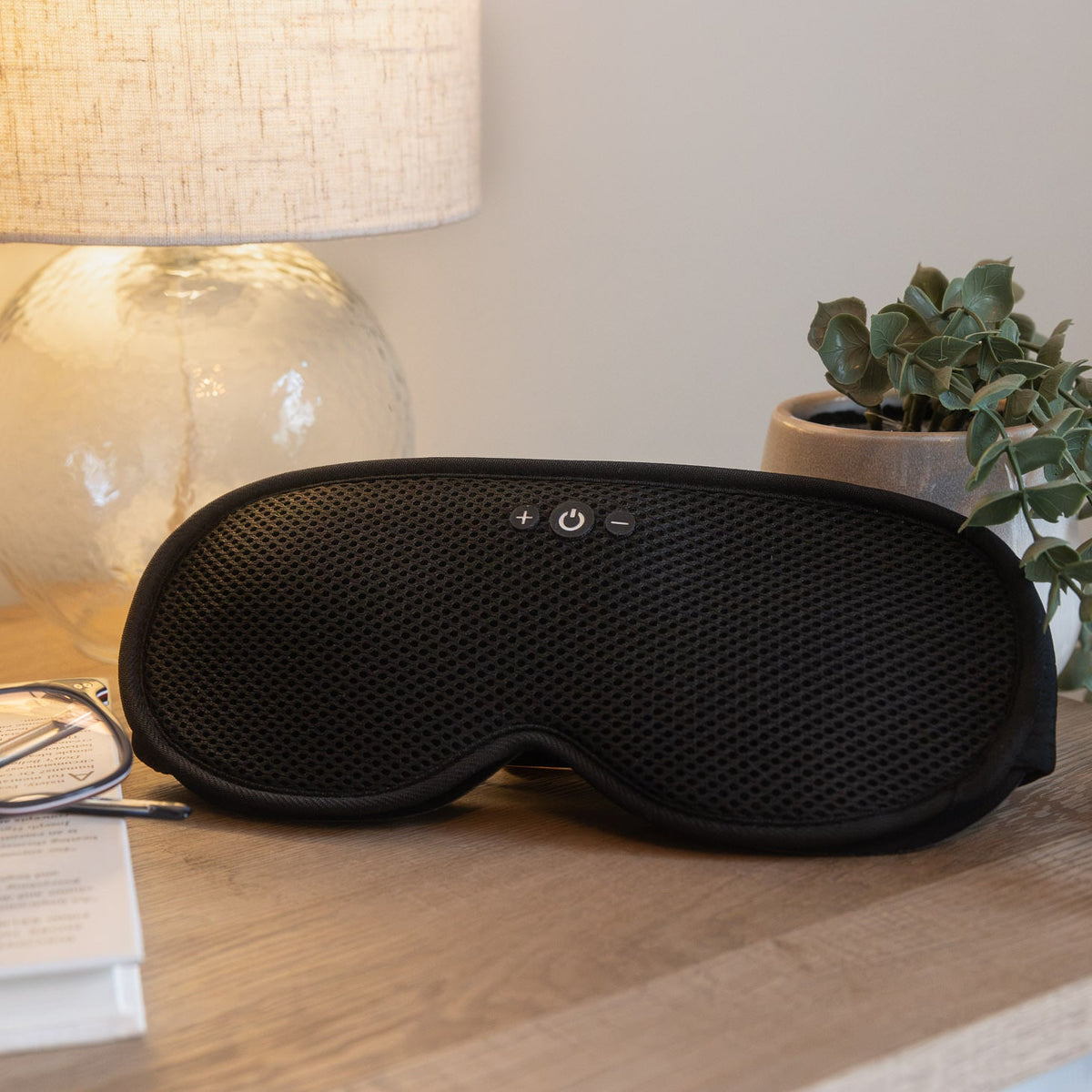
A sleep mask can help you sleep during the day because it creates darkness on your schedule, not the sun's. The Drift Away Bluetooth Sleep Mask (£34.99) has contoured eye cups to keep pressure off your eyes and thin built-in speakers, so you can block light and play white noise at the same time.
Make it quiet
You will never make the daytime silent, so the aim is to make noise less disruptive. Steady background sound softens sudden noises like car doors and deliveries. Options include earplugs, white noise from a bedside machine such as Rise & Reset with its 30 built-in sounds and sleep timer, or audio played through a sleep mask.
Then deal with the people. Ask the people you live with to keep noise down while you sleep, and consider letting close neighbours know your pattern. Both are part of standard shift work guidance, and most people are happy to help once they know.
Make it cool
A cool room is easier to sleep in, and bedrooms warm up quickly during the day. Fatigue guidance commonly suggests a bedroom of around 18 to 24°C. Close blinds early on sunny days so the room does not heat up before you get in.
Make it comfortable
Daytime sleep is often lighter, so small discomforts are more likely to wake you. A supportive pillow such as the Deep Rest Adjustable Memory Foam Pillow and a smooth Mulberry silk pillowcase are simple upgrades.
How much sleep do you need when working nights?
The same as anyone else: most adults need around seven to nine hours. On nights, it is fine to reach that across two sleeps in 24 hours. If you regularly get much less, your body will notice even if you feel you have adapted.
Before your first night and after your last
- Before your first night: have a lie-in if you can, and take a short sleep before the shift.
- After your last night: have a short sleep when you get home, get up, get some daylight, and go to bed a little earlier that evening. This helps you switch back to days without losing a whole day off.
When to speak to a GP
Struggling with daytime sleep now and then is normal. But severe, ongoing difficulty sleeping during the day, or feeling extremely sleepy at work, can be a sign of shift work disorder. If that sounds familiar, speak to your GP or occupational health team.
Your daytime sleep checklist
- Last caffeine three to four hours before sleep
- Sunglasses on the way home
- Low, warm lights when you get in
- The same short wind-down every time
- Blackout blinds plus a sleep mask
- White noise or earplugs
- A cool room and phone on do not disturb
- A sleep window the household knows about
Frequently asked questions
Should I sleep straight after a night shift?
You can. Many night workers sleep soon after getting home, while others stay up and sleep so they wake close to their next shift, or split their sleep into a main block and a nap. Choose the pattern that suits your home life and keep it consistent.
How many hours should I sleep after a night shift?
Aim for seven to nine hours in every 24. It is fine to reach that across two sleeps, such as a main sleep after work and a nap before your next shift.
How do I make my room dark enough to sleep during the day?
Use blackout blinds or curtains, then add a sleep mask to cover the light that leaks around the edges. Cover standby lights and keep the door closed.
Does a sleep mask help with daytime sleep?
Yes, a sleep mask can help with daytime sleep because it blocks light whenever you need to rest. NHS staff guidance lists eye masks alongside blackout blinds for night workers.
How do I stop noise waking me up during the day?
Use steady background sound such as white noise to soften sudden noises, wear earplugs if they suit you, and ask the people you live with to keep noise down during your sleep window.
Should I wear sunglasses after a night shift?
Yes, if it is bright. Reducing morning light on the way home can make it easier to fall asleep when you get in. Only do so when it is safe to drive.
About the authors
James and Larissa are the founders of Dream & Drift. After ten years of shift work in the emergency services, they built Dream & Drift around practical sleep essentials for people whose rest does not always happen at night. Better rest, on your terms.
This guide offers general information, not medical advice. Dream & Drift products are general sleep accessories and are not intended to diagnose, treat or prevent any medical condition. If sleep problems persist, speak to your GP.


Leave a comment
This site is protected by hCaptcha and the hCaptcha Privacy Policy and Terms of Service apply.